
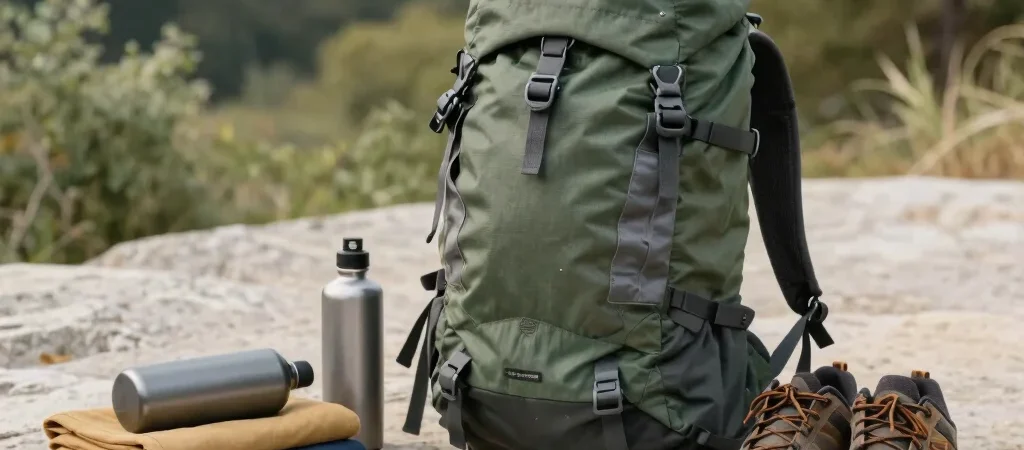
A gear list can grow quickly when every item is presented as essential. For a day hike, start with the actual trip: distance, terrain, forecast, and access to water or shelter. That context is more useful than shopping for an idealized version of hiking.
Start with route conditions
Check the route description and current local conditions before deciding what to carry. A maintained trail in mild weather calls for different choices than a rocky route, a long stretch without shade, or a forecast that may change. Use the relevant park or land manager’s information for closures and conditions, and adjust your plan if the details don’t fit your preparation.
For footwear, consider the surface and how a pair fits your feet over time, not just its category or appearance. If possible, try gear on with the socks you expect to wear and consider how it feels on a short walk before relying on it for a longer outing.
Compare useful trade-offs
When comparing packs, look at capacity, fit adjustment, pocket access, and whether the load sits comfortably with the items you plan to carry. With layers, consider how they work together and whether you can add or remove one without repacking everything. Weight matters, but so do comfort, durability, and ease of use for your particular trip.
Make a short list of the problem an item would solve before comparing models. If you can’t name a real need—such as a better fit or protection for expected conditions—waiting is a sensible option.
Read recommendations transparently
A useful comparison should separate verifiable product details from editorial judgment and explain what still needs checking, such as sizing, current specifications, or suitability for your route. Trail Trip Guide may earn a commission when readers buy through affiliate links; that relationship should be clearly disclosed near those links. A commission does not make an item the right choice for every hiker.
Before buying, compare the current manufacturer information with your own trip needs and check the return policy. The goal is not a fuller pack of new gear; it’s having the few items that make sense for the miles and conditions ahead.